

The Zoey Stark injury during WWE triple-threat match has once again brought intense debate to the pro-wrestling world after a recent episode left Liv Morgan injured in a bout against Kairi Sane. This incident, which took place on WWE programming, has raised questions about ringside safety, the execution of wrestling moves, and the mounting toll on wrestlers in high-stakes matches.
Liv Morgan Suffers a Painful Injury During Singles Match with Kairi Sane
During a recent singles showdown, Liv Morgan endured a serious injury while facing Kairi Sane. The moment was intense as Morgan appeared to suffer a shoulder or arm injury shortly after the opening bell. The impact came after Sane executed a technically sound takedown, but Morgan’s landing caused significant damage. Viewers witnessed Morgan being quickly escorted backstage for medical attention.
Throughout the history of WWE, injuries have remained a constant risk despite athletes’ best efforts to prioritize safety. High-risk maneuvers, such as moonsaults and heavy landings, are central to the spectacle but can lead to devastating outcomes. Morgan’s misfortune is a stark reminder of how even well-executed moves can result in unintended consequences, largely due to the high intensity and physical demands of professional wrestling.
“Liv Morgan may have suffered some type of arm or shoulder injury in the opening moments of her match on #WWE #WWERAW! She is being taken to the back! pic.twitter.com/pKgGPxkT2w pic.twitter.com/Nm67b7bExD” — Ringside News: WWE & AEW Wrestling News (@ringsidenews_), June 17, 2025
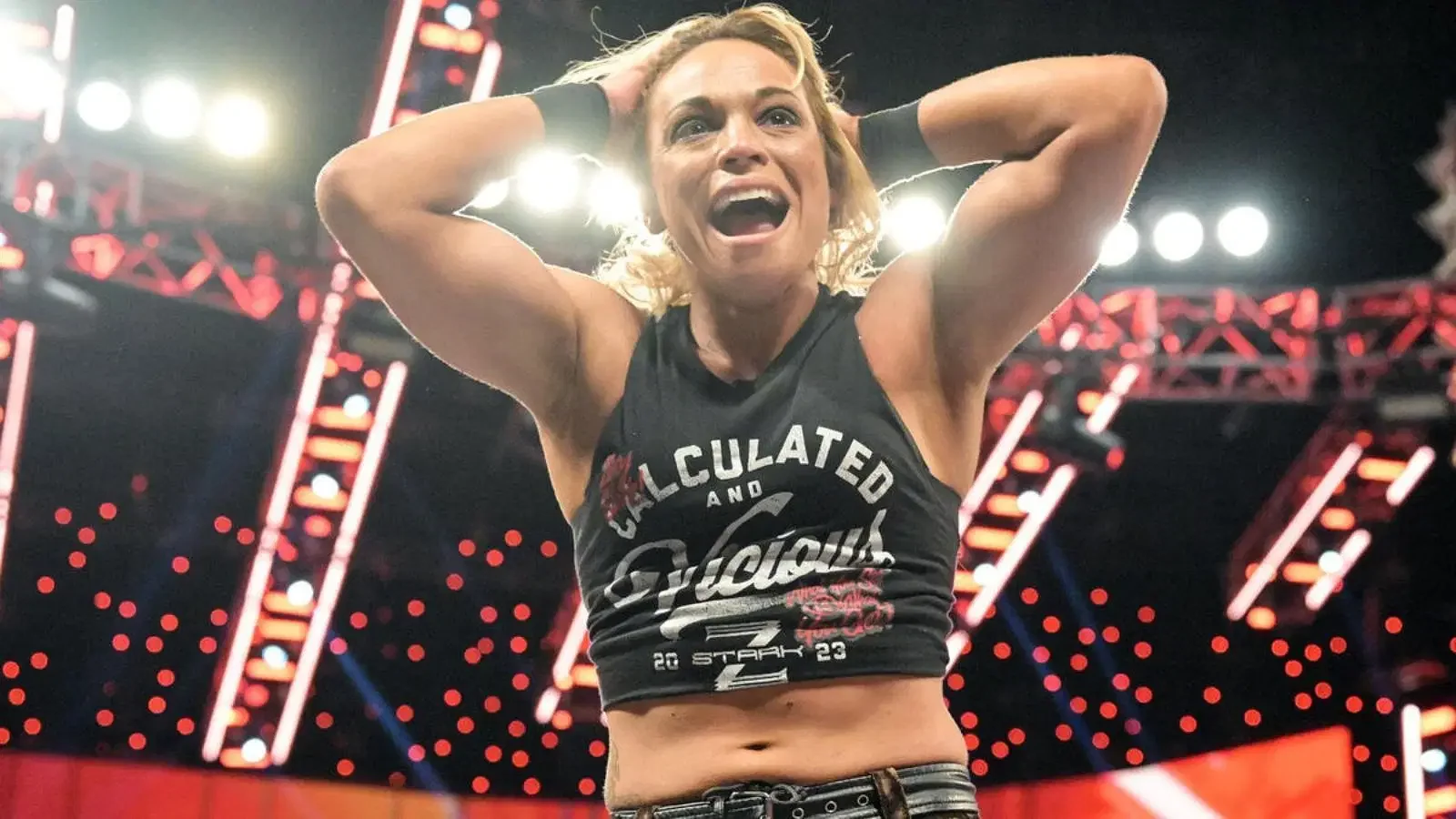
The immediate outcry among fans online inevitably drew focus to Kairi Sane, as some noticed a pattern—this incident marked the second notable injury involving Sane within a short time. Just days earlier, Zoey Stark sustained an injury during a triple-threat contest, which also included Rhea Ripley alongside Sane.
Kairi Sane’s Execution Defended Amid Injury Criticism
As scrutiny mounted, many wrestling analysts and fans reviewed the Morgan incident in detail, emphasizing that Sane’s actions were within the bounds of expert execution. Wrestling storytelling, or kayfabe, relies on skillful collaboration between performers to simulate intense conflict while minimizing actual harm. In Morgan’s case, Sane performed the takedown using textbook form—grabbing the appropriate leg and bringing her competitor down with precision. The key factor leading to Morgan’s injury lay not in the move itself, but in the way Morgan absorbed the impact upon landing.
The intense environment only heightened the emotional stakes. When a wrestler fails to properly brace for the aftermath of a move, they risk serious harm, regardless of the other party’s intentions or skill. Yet, because this was the second high-profile injury with Sane in the ring—following Zoey Stark’s recent incident—online debate swelled, with some unfairly questioning whether Sane’s style was too dangerous.
In the Zoey Stark injury during WWE triple-threat match, existing injuries played a crucial role. Stark opted for a dropkick against Sane, but her already vulnerable knee succumbed to the landing, twisting awkwardly. Notably, Sane did not play any active part in Stark’s accident, highlighting the unpredictable nature of injuries even during planned routines.
Such incidents recall previous WWE controversies, such as moments involving Nia Jax and Jey Uso, where unexpected mistakes in the ring left fellow athletes hurt. Jax’s execution of the Banzai drop, for instance, has been criticized for causing multiple injuries, furthering the internal debate about risk versus storytelling in contemporary wrestling.
Future of Liv Morgan’s Rivalry with Nikki Bella in Question
Morgan’s injury delivers a significant blow to ongoing storylines, notably her newly established feud with Nikki Bella. The WWE community has speculated that Morgan may have dislocated her shoulder, and if surgery becomes necessary, her absence could extend to six months or more. This delay disrupts what had taken shape as a heated rivalry, with recent segments igniting personal tensions between Morgan and Bella. Their latest altercation involved sharp words, with Morgan referencing Bella’s personal life and championship pursuits, and Bella retorting with doubts about Morgan’s relationship with Dominik Mysterio.
As anticipation built toward a full-scale clash between Morgan and Bella, the injury now creates an unexpected pause. WWE officials face difficult decisions about programming and story adjustment as King and Queen of the Ring approaches; if Morgan remains sidelined, the creative team will need to significantly rework planned angles and find fresh directions for both Dominik Mysterio’s character and the overall narrative.
Recent reminders of how quickly fortunes can shift in professional wrestling include Kevin Owens’ abrupt withdrawal before WrestleMania 41 due to a neck injury, forcing Randy Orton to adapt and ultimately face Joe Hendry as a late replacement. These unforeseen injuries highlight the perilous, ever-changing reality wrestlers like Morgan, Sane, Stark, and others navigate each time they step into the ring.
Lasting Impacts on WWE’s Narrative and Roster Stability
The fallout from the Zoey Stark injury during WWE triple-threat match, paired with Liv Morgan’s ordeal, serves as a harsh lens on the risks performers accept for their craft. The ongoing scrutiny of Kairi Sane, despite evidence that her wrestling techniques are fundamentally sound, underscores the complicated environment of blame and accountability in sports entertainment.
As WWE leadership assesses injury protocols and considers new safeguards, both fans and wrestlers alike are left to grapple with the turbulent nature of the industry. What lies ahead depends on how quickly Morgan can recover and whether WWE can reimagine its storylines to maintain momentum without its sidelined stars. Until then, each fresh development serves as a vivid reminder of the immense physical and emotional stakes at play in the world’s biggest pro-wrestling stage.

