
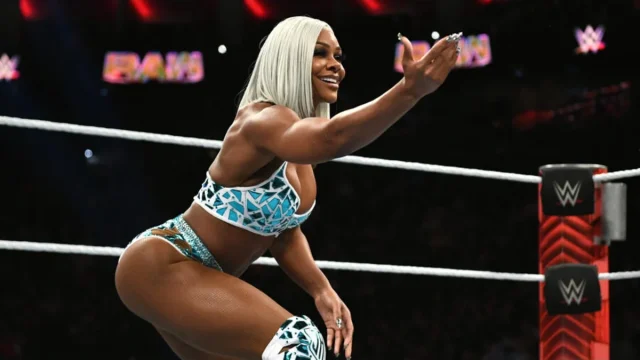
Following Rhea Ripley‘s recent triumph in the Women’s Elimination Chamber, which earned her a WWE Women’s Championship match against Jade Cargill, tension quickly surfaced between the two competitors on social media. Their exchanges appeared notably hostile, raising questions among fans and insiders about whether the hostility was genuine or scripted. The situation intensified when fellow WWE wrestlers Chelsea Green and Piper Niven publicly sided with Ripley, fueling speculation that the discord extended beyond mere entertainment and into real backstage animosity within the WWE women’s division.
Dave Meltzer Weighs in on the Nature of the Conflict
Dave Meltzer, speaking on Wrestling Observer Radio, suggested that WWE is intentionally amplifying the visible conflict between Ripley and Cargill to increase anticipation for their upcoming WrestleMania showdown. However, Meltzer emphasized that while the feud is presented as a work, it draws heavily from actual backstage sentiments some personnel harbor toward Jade Cargill.
“I’m not saying that people who tweeted have said that to me,”
Meltzer said.
“I will only say that those words have been said to me by…there is a prevailing viewpoint there, among people and talent, that is, like, identical to some of the things that were tweeted. So there is…we’re ribbing on the square.”
“It’s a real interesting thing, because it is a work, because again, if it was real, they’re not doing it, you know what I mean? Chelsea Green, Piper Niven, they’re not going to bury someone on their own team in public, because they know you can’t do this. It’s not allowed. But they are using the thoughts of many people while they’re doing this angle. It’s really kind of…that’s what Lawler and Dundee used to do…where it’s all work, but everything they said about each other was real, you know?”
Complex Reactions Within WWE and Among Fans
The controversy surrounding Jade Cargill and Rhea Ripley highlights an ongoing concern with how WWE manages interpersonal dynamics backstage. If the conflict is genuine, Cargill appears to be isolated from significant support within the women’s locker room, complicating her position as WWE Women’s Champion. Such a divide can be disruptive because wrestlers often rely on mutual respect and cohesion behind the scenes to maintain a healthy work environment.
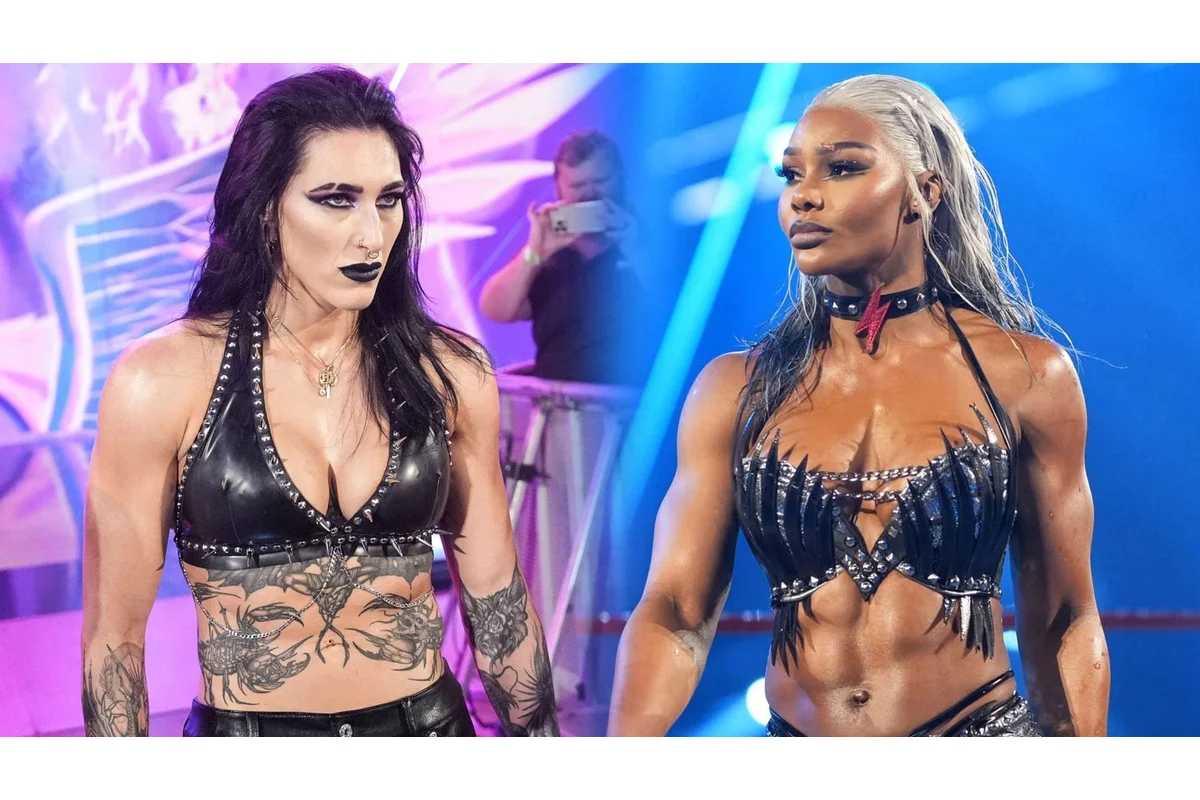
On the other hand, if this conflict is primarily a manufactured storyline, it risks blurring the line between performance and reality in a way that diminishes the performers involved. Critics argue that the strategy does little to build excitement for the WrestleMania match and instead may damage the reputations of both Jade Cargill and those aligned with Ripley.
Concerns Regarding the Impact of the Feud’s Presentation
The decision to mix real emotions into a scripted feud carries substantial risks. The involvement of Chelsea Green and Piper Niven, who are not currently positioned to challenge Jade Cargill, further confuses the storyline’s focus, especially with Niven sidelined due to injury. This suggests the angle may be more about capitalizing on backstage disputes than promoting coherent wrestling narratives.
Critics are wary that this approach paints Jade Cargill as a divisive figure unrespected by her colleagues, while casting Ripley and her supporters in a less favorable light. This dynamic is viewed as potentially more alienating than compelling by fans and insiders alike.
Historical Context and Industry Implications
The blending of real tensions with scripted drama is reminiscent of past wrestling eras where worked shoots were common, notably during the Vince Russo period. Yet many believe this tactic is outdated and counterproductive in today’s wrestling environment. The legacy of CM Punk‘s candid promos may have opened the door for such blurred lines, but the current situation between Jade Cargill and Rhea Ripley serves as a cautionary example of how this technique can backfire.
As WrestleMania approaches, the outcome and presentation of this feud will likely influence how WWE handles similar conflicts in the future, potentially affecting backstage culture and fan reception of women’s wrestling storylines.

