
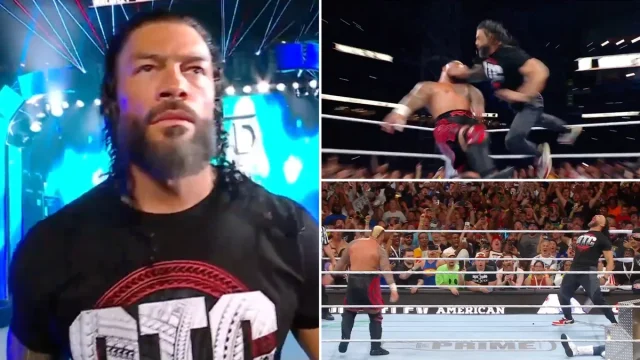
Roman Reigns will face CM Punk for the World Heavyweight Championship at WrestleMania 42, but his recent victory at the Royal Rumble highlights an ongoing issue with his part-time schedule. This inconsistent availability limits WWE‘s storytelling options, slows the progress of other wrestlers, and diminishes the impact of his returns.
Despite being a major draw with undeniable popularity and main event status, Reigns’ sporadic appearances have become a creative obstacle, forcing the company to adapt around his availability rather than build continuous narratives that engage fans and other superstars.
Constraints on WWE’s Storytelling Due to Reigns’ Limited Availability
During the peak of the Bloodline storyline, Reigns’ part-time role was less problematic because The Usos, Sami Zayn, and Solo Sikoa remained prominent, keeping the faction relevant even in his absence. However, this is less true now, as Reigns’ presence feels more like a reminder of past storylines than a part of an evolving narrative.
Triple H and the WWE creative team face challenges because they cannot freely develop long-term stories. Instead, they must account for Reigns’ unpredictable returns, which interrupt story progression and constrain storytelling flexibility. This results in fragmented arcs rather than cohesive, engaging narratives with clear beginnings, middles, and endings.
How Other Talents’ Momentum Is Affected by Reigns’ Return
Other wrestlers have seen their momentum stall due to Reigns’ sporadic appearances. For example, Bron Breakker had been on an unstoppable rise during the previous summer, only to experience a slowdown after Reigns returned and teamed with Jey Uso to defeat Breakker and Bronson Reed.
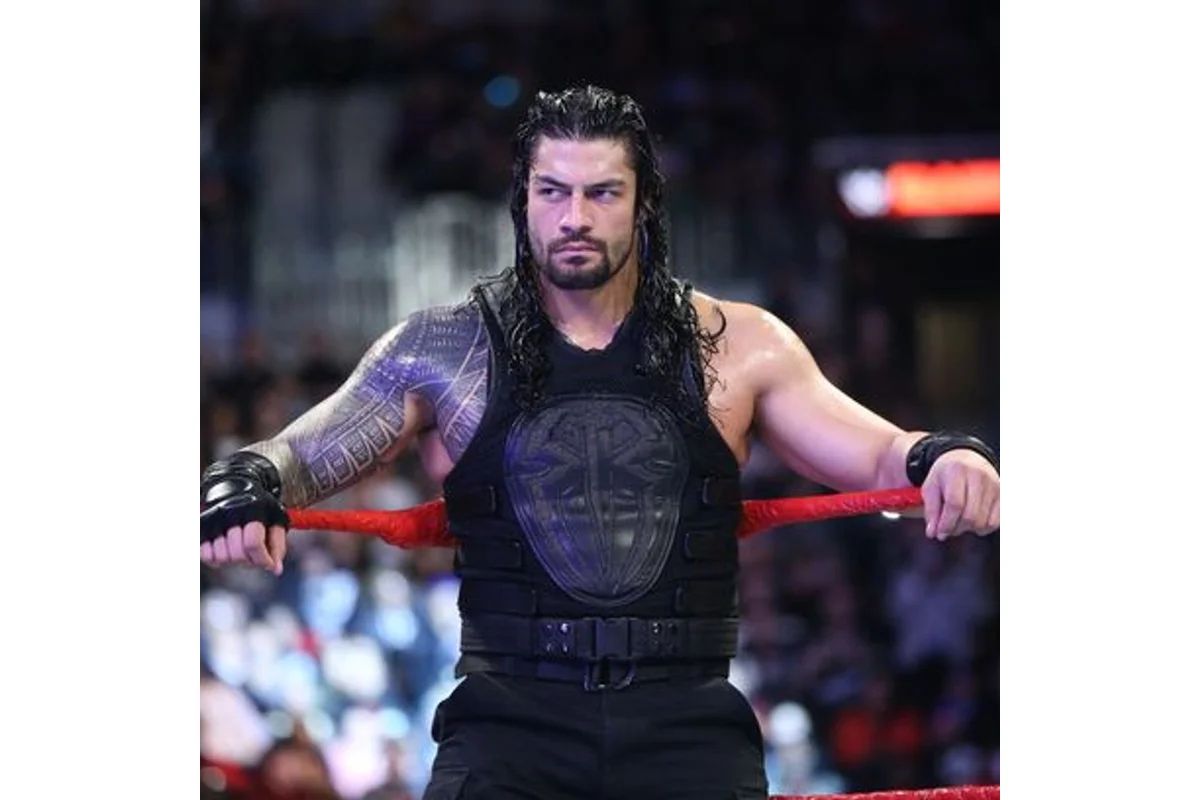
CM Punk, currently the World Heavyweight Champion, has been delivering standout performances reminiscent of classic wrestling. Yet, his reign is threatened by the looming possibility that Reigns will dethrone him at WrestleMania, reducing Punk’s championship run to a stepping stone in what may become another part-time title reign.
Finn Bálor is currently involved in compelling storytelling, portraying a character struggling with complex moral choices while establishing himself as a credible contender. However, Bálor’s chase for the title at the Elimination Chamber event feels predetermined, with the expectation that Punk will defend against Reigns at WrestleMania in Las Vegas on April 18-19.
Reigns has endorsed the philosophy that “high tides raise all ships,” and during the Bloodline era, his presence certainly elevated those around him. Without a strong overarching storyline binding these characters together, his returns now create disruptions that stifle organic character development and story momentum despite generating live audience excitement.
The Diminishing Impact of Frequent Reigns Comebacks
Some argue that Reigns’ periodic appearances as a special attraction help maintain his novelty and prevent fans from becoming fatigued by his character. However, frequent gaps followed by returns risk making those moments feel routine rather than special, possibly leading to fan frustration.
There is growing concern that fans might resent seeing a part-time superstar repeatedly overshadow emerging talents who have built their reputations through consistent, hard-fought efforts. When Reigns returns, these rising stars risk being sidelined, which could alienate the audience and hurt viewer investment in new talent.
Repeated absences and returns tend to reduce the dramatic weight of his appearances, which once felt unforgettable. Over time, this pattern could erode the fanbase’s enthusiasm and willingness to engage with ongoing storylines linked to Reigns.
Long-Term Risks for WWE and Future Storytelling
Roman Reigns remains one of WWE’s most important and influential superstars, with a proven ability to elevate storylines and performers. However, as the company tries to nurture the next generation of WWE stars, his intermittent schedule creates a tension between his star power and the developmental needs of other talent.
Unless key figures within WWE’s leadership, including The OTC, Triple H, Paul Heyman, and the creative team, collaborate to craft a compelling narrative that benefits the entire roster—as they did with the Bloodline storyline—Reigns’ limited availability will continue to hinder WWE’s product quality.
For now, Reigns’ well-earned but irregular presence remains a persistent challenge that could impact WWE’s creative growth and the audience’s long-term engagement with the brand.

