
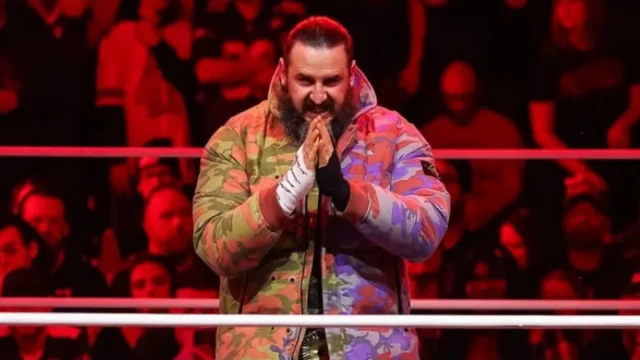
At the Grand Slam Mexico event in June, professional wrestler Brody King used his platform to make a bold statement by wearing an Abolish ICE t-shirt and turning his message into meaningful action. Through merchandise sales and collaborations, King has raised thousands of dollars to support immigrant rights, exemplifying how Brody King art protest can inspire real-world change amid growing social and political unrest.
The Complex History of Wrestling’s Relationship with Marginalized Groups
Wrestling has historically reflected many troubling stereotypes, often perpetuating harmful portrayals of marginalized communities. Examples include the use of Nazi-themed characters designed purely for antagonism, Italian wrestlers adopting indigenous personas, and Pacific Islanders or Black wrestlers being depicted as savage outsiders. Additionally, LGBTQ+ individuals were once stereotyped as effeminate villains, while female wrestlers were frequently sexualized—problems that, although less prevalent today, still persist.
Progress has been made over the past decade, especially in prominent wrestling promotions like WWE. The women’s division now features talented queer athletes who are celebrated for their skills rather than their identities. Performers such as Naomi, Bianca Belair, Lash Legend, Oba Femi, Jade Cargill, Swerve Strickland, Trick Williams, and JeVon Evans serve as role models, inspiring young fans who see themselves reflected in them. While imperfections remain, these developments mark important steps forward.
The Enduring Role of Art in Social and Political Movements
Art has long served as a powerful vehicle for protesting injustice and amplifying marginalized voices. Genres such as jazz, blues, hip-hop, and punk have historically brought social issues to mainstream audiences. Beyond music, literature and visual arts document the struggles against oppression, encouraging empathy and awareness. Films and television similarly highlight stories of resistance and resilience. Art’s ability to unite and educate remains a vital tool in movements for justice.
Brody King’s Impact Through Protest and Collaboration
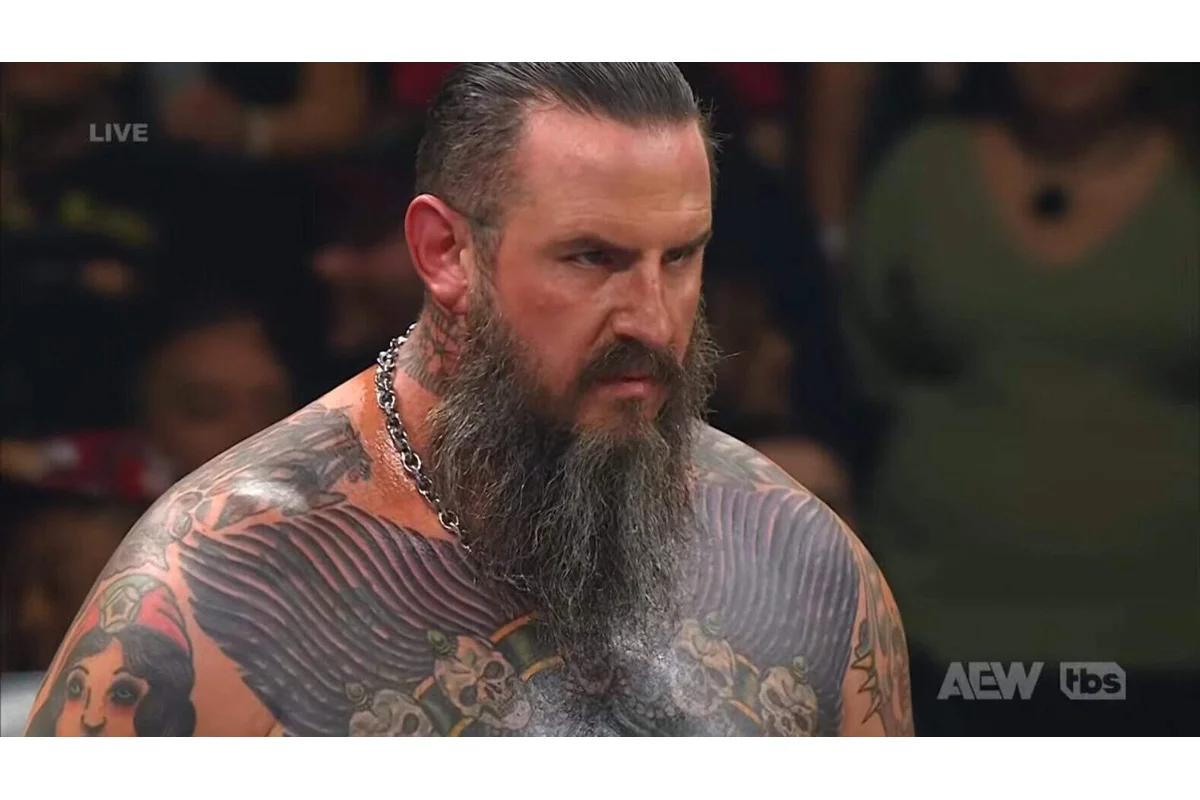
Brody King has demonstrated how a public figure can use their influence to advance social causes. By wearing the Abolish ICE t-shirt at a major wrestling event, he sparked visibility for the movement, subsequently raising $27,000 for the Local Hearts Foundation through merchandise sales. In partnership with comic book artist Daniel Warren Johnson, King expanded his outreach, generating $59,000 for the Minnesota Right Action Committee—a group dedicated to immigrant rights advocacy.
The chants of “Fuck ICE” have followed King internationally, reaching Australia, where immigration policies face intense scrutiny. Despite the risk that such protests might fade, they have gained mainstream attention, leaving open the possibility they will grow louder and spread to other major sporting events like MLB, NBA, or NFL games. King embodies how art and activism can intersect to challenge policies and inspire broader participation.
King is among several wrestlers actively using their platforms for protest and representation. For instance, Punk has been visible at demonstrations, while Lynch shared a sarcastic anti-ICE video. Ava posted a direct “Fuck ICE” message after departing WWE, and Kayla Braxton publicly called for the removal of Donald Trump from the WWE Hall of Fame. Wrestlers including EFFY, Giselle Shaw, Nyla Rose, and Mike Bailey continue to break stereotypes, offering positive examples in a traditionally rigid industry.
Encouraging Active Engagement and Community Support
Individuals who want to contribute to change can find many ways to get involved beyond monetary donations. Local charities and activist organizations often need volunteers, as well as practical assistance such as clothing and food donations. Even sharing information about events, support groups, and campaigns on social media can build awareness and momentum. Collective efforts rooted in empathy and understanding are crucial for sustaining progress.
The ongoing challenges faced by marginalized groups across the United States and abroad demand persistent activism. Art, as demonstrated by Brody King and others, can be an inspiration and a rallying point, but it must be paired with tangible action to create lasting impact.

