
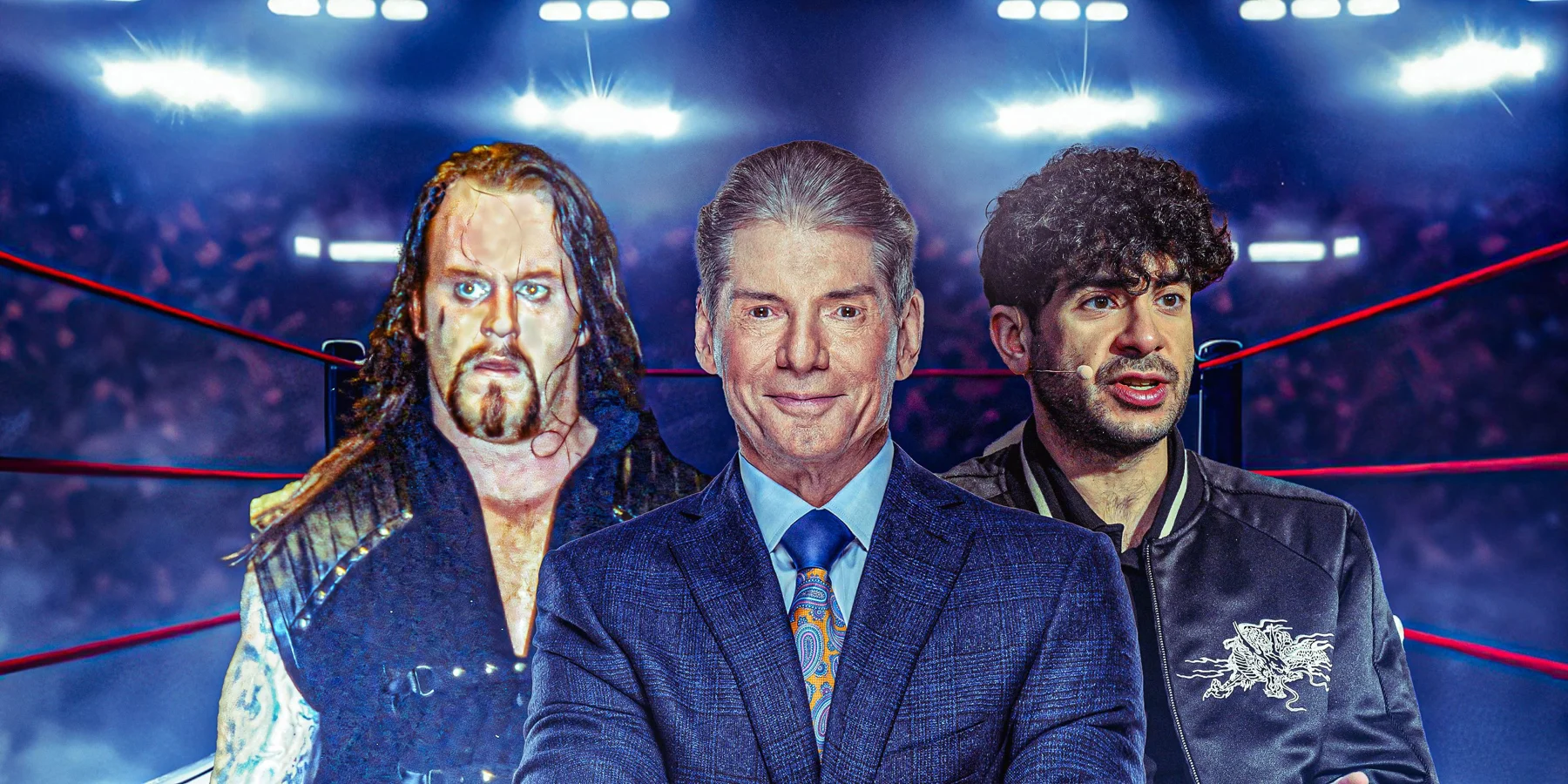
All Elite Wrestling, led by Tony Khan, has seen remarkable growth, but Tony Khan’s overpushed AEW superstars and booking choices have dramatically shaped its recent narrative. While the Jacksonville-based promotion has elevated established names and nurtured future stars, Khan’s tendency to repeatedly spotlight particular talents has affected the momentum of other promising wrestlers and shifted the dynamic within the AEW roster.
A Roster Brimming With Talent Faces Uneven Opportunities
AEW boasts a diverse mix of wrestling legends and emerging favorites, with the company‘s steady booking allowing stars like Jon Moxley, Swerve Strickland, and Toni Storm to reach new heights. Notable veterans such as Sting and Bryan Danielson have also enjoyed memorable, career-capping runs thanks to the organization’s direction under Tony Khan. However, the complexity of managing a roster filled with established superstars and hungry newcomers has led to growing tensions around opportunity and exposure.
While some performers struggle to gain consistent television time, others receive an arguably excessive spotlight. Tony Khan’s frequent focus on a select group has, at times, diminished the chance for rising talents to grow and connect with the audience, leading to concerns among the AEW fanbase about the overall quality and excitement of weekly programming.
Among the wrestlers who epitomize this trend, three stand out for the magnitude of their push: Mercedes Mone, Chris Jericho, and Cope.
Mercedes Mone’s Meteoric Rise and Dominant Reign
Mercedes Mone, formerly known as Sasha Banks, made her AEW debut in March 2024 and wasted no time seizing championship gold. At Double or Nothing 2024, she captured the TBS Championship from Willow Nightingale, sending a clear signal of her status as a centerpiece performer in AEW. With a title reign exceeding 370 days, Mone has not lost a singles match during her run, demonstrating a level of dominance rarely matched in the company.
Her path to becoming TBS Champion has seen her defeat top competitors such as Kris Statlander, Jamie Hayter, Harley Cameron, and Athena, establishing herself as a formidable force in AEW. Yet, this near-invincibility has bred criticism; Tony Khan’s booking decisions have portrayed Mone as an untouchable figure who seldom appears vulnerable, which some argue has dulled her relatability and character development.
If Mone had faced more adversity or occasional defeats, particularly against strong opponents like Kris Statlander at Worlds End 2024, her ascent might have felt more organic and compelling. As it stands, she is poised to challenge Toni Storm for the AEW Women’s World Title at All In: Texas—a move many see as another possible triumph for The CEO.
Despite deserving a spot in AEW’s main event, the approach taken has arguably limited the creative evolution of Mone’s heel persona. Her journey could have become more engaging had she experienced setbacks, giving her heel character greater depth as someone who relentlessly pursues the top, even after defeat.
Chris Jericho: Prolonged Spotlight Amid Declining Performance
Chris Jericho’s signing was pivotal in cementing AEW’s legitimacy during its founding years. As The Le Champion, Jericho was crowned the first AEW World Champion at Double or Nothing 2019—a decision that unified both longtime wrestling fans and new viewers behind the promotion. However, audience sentiment has shifted in the years since, with discontent growing over his ongoing push and repeated title runs.
Over the past three years, Jericho’s in-ring performances have declined, reflecting the veteran’s advanced career stage. Once famed for constant reinvention, Jericho’s recent character attempts have struggled to resonate, and his continued promotional prominence has come at the expense of emerging stars. He captured significant championships like the FTW and ROH World Championships and scored victories against names such as Hook, Mark Briscoe, Bandido, and others—wrestlers who could have greatly benefited from decisive wins over an icon like Jericho.
While he has occasionally suffered defeats to these same opponents, the often 50-50 nature of his booking failed to provide either side with sustainable momentum. Frustration from the AEW audience has been evident, with calls for Jericho to reduce his presence and create more room for younger talent as he returns from his current hiatus.
Cope: The Rating of an Overexposed Main Event Veteran
Making his AEW debut at WrestleDream 2023, Cope—referred to as The Rated-R Superstar and The Ultimate Opportunist—quickly entered a feud with Christian Cage and twice won the TNT Championship. His momentum was initially fueled by popularity but suffered when he defeated his longtime best friend, slightly diminishing his standing.
As TNT Champion, Cope launched the “Cope Open,” picking up wins against talents including Kyle O’Reilly, Penta El Zero Miedo, Brody King, and Buddy Matthews. However, rather than providing a platform to elevate the next generation, these victories, culminating in another win over Malakai Black at Double or Nothing 2024, inadvertently hindered rising stars’ credibility.
Following an injury layoff, Cope returned directly into a feud with Jon Moxley, but the storyline failed to meet expectations. This series of high-profile opportunities, despite underwhelming performances, has led fans to question Tony Khan’s rationale in awarding more championship shots to The Master Manipulator, given his current form.
At 51, Cope no longer needs championships to maintain relevance. By engaging with emerging wrestlers, he could instead serve the company as a transitional figure, helping to pass the torch and legitimize AEW’s next wave of stars—an opportunity that seems increasingly urgent amid his extended time at the top of the card.
The Impact of Overbooking and a Path Forward for AEW
The strong emphasis on select veterans and proven stars like Mercedes Mone, Chris Jericho, and Cope has helped sustain AEW’s profile but has simultaneously slowed the progression of promising talent across the roster. While Tony Khan’s overpushed AEW superstars and booking choices have delivered memorable moments, the lack of fresh opportunities for new faces threatens to dampen audience engagement and the organic growth that characterized AEW’s early years.
To revitalize fan interest and secure the promotion’s future, rebalancing booking decisions may be necessary. Elevating emerging stars, diversifying storylines, and allowing established names to support rather than dominate the top of the card could lead to more resonant narratives and stronger long-term growth for AEW.

