
The WWE Raw episode that aired last night in Indianapolis delivered a precisely scripted and controlled wrestling event that reinforced WWE’s approach to professional wrestling entertainment. The show featured key title changes, intense rivalries, and well-timed segments that emphasized WWE’s commitment to polished storylines and predictable pacing. This WWE Raw episode review highlights the dominant performances, significant developments, and corporate style that defined the broadcast.
Carefully Crafted Opening Sets the Tone
The program opened with Paul Heyman, Austin Theory, and Logan Paul—remaining members of The Vision—addressing the return of Seth Rollins at the upcoming Elimination Chamber event. This segment exemplified strict script adherence, with Heyman’s lines delivering a corporate-approved message branding Rollins as a thief. The carefully managed dialogue underscored WWE’s preference for scripted promos over unscripted moments, ensuring consistency and control over the narrative.
During this segment, The Chadster’s raccoon companions appeared visibly engaged, reflecting how even attentive viewers outside the human audience appreciated the impeccable delivery. The approach avoided unexpected improvisations, instead delivering calibrated content designed for maximum narrative impact.
Seth Rollins’ Return Brings Predictable Chaos
The masked assailants segment featured Rollins interfering dramatically by attacking Heyman with a chair and following up with a Stomp. The production highlighted each angle with deliberate overproduction, reinforcing WWE’s style of well-rehearsed scenario building. The predictable nature of the reveal added a sense of reliability for viewers, invoking a familiar and comforting experience in wrestling entertainment.
Subsequently, Jimmy Uso’s ambush of Theory in the parking lot, followed by LA Knight‘s escape in an ambulance, adhered closely to WWE’s formulaic storytelling that prioritizes order and expected outcomes. These moments sustained viewer investment without surprising departures from the scripted formula.
Industry Veteran Eric Bischoff Weighs In on WWE’s Strategy
WWE understands that television is about reliability. You tune in to WWE Raw and you know what you’re going to get. That’s branding. That’s what Tony Khan will never understand because he’s too busy trying to put on exciting matches that make people feel things, and I’m not just saying that in hopes WWE will notice and give me a job again. But I wouldn’t turn one down if they offered.
— Eric Bischoff, Wrestling Industry Figure
Bischoff’s comments emphasize WWE’s branding focus on consistency and predictability, contrasting it with rival companies pursuing more spontaneous and emotion-driven wrestling presentations. His endorsement reflects the corporate-driven approach prioritized in last night’s episode.
Gunther Dominates in a Classic WWE Match
The match between Gunther and Dragon Lee showcased WWE’s traditional match structure. Gunther controlled the contest, incorporating commercial breaks at key moments to interrupt in-ring momentum, aligning with the corporate integration of sponsorships within the broadcast. Gunther concluded decisively by removing Dragon Lee’s mask and forcing a submission via sleeper hold, cementing his dominance and delivering an outcome that eliminated suspense.
The scene was further enlivened by The Chadster’s raccoon family, who mimicked and celebrated parts of the action, illustrating the perceived appeal of WWE’s structured presentation even to a uniquely enthusiastic audience.
AJ Lee Champions WWE’s Bicameral Scripted Narratives
AJ Lee, as the Women’s Intercontinental Champion, delivered a promo emphasizing her desire to be a fighting champion. Her message hit expected thematic beats with zero deviation or personal flair, reinforcing WWE’s formulaic promotional style. Lee’s declaration of readiness to face multiple challengers promised classic, pre-planned matchups that WWE announces well in advance through controlled channels, rejecting chaotic or unpredictable confrontations often seen elsewhere in wrestling.
anyone can show up at any time
This phrase was cited disparagingly within the episode’s context to highlight WWE’s rejection of unscripted inclusivity, underscoring the company’s preference for regimented storytelling.
Americano vs. Rayo Americano Demonstrates Consistent Storytelling
The American-themed match between Original El Grande Americano and Rayo Americano played into familiar WWE tropes, utilizing humor and broad characterization that requires little audience investment beyond entertainment value. Grande secured victory with a Chaos Theory maneuver, and the match’s sub-ten-minute duration respected WWE’s pacing priorities, allowing time for backstage segments and long promos. The interference and distracted moments were telegraphed for maximum scripted effect, aligning with WWE’s controlled narrative environment.
The Chadster’s raccoon family members remained active during this match, sharing in the atmosphere by gaining snacks and interacting playfully, a metaphorical nod to the show’s family-friendly and predictable tone.
Jimmy Uso and Austin Theory Deliver Efficient Matchbook Strategy
A brief match between Jimmy Uso and Austin Theory ended in disqualification when Logan Paul intervened, exemplifying WWE’s 50/50 booking philosophy that protects both wrestlers’ statuses without definitive conclusions. The subsequent appearance of Jey Uso on crutches to counter interference was a foreseeable moment that maintained storyline momentum without risk.
This booking approach bolsters WWE’s preference for sustained rivalries over decisive finishes, preserving audience anticipation and future programming flexibility.
Humor and Character Development in the Danhausen Segment
Danhausen’s exchange with Adam Pearce and Judgment Day delivered a comedic relief segment that stood out for its entertainment value. Danhausen’s demands, interactions, and cursing directed at Dominik Mysterio provided levity and demonstrated WWE’s ability to develop talents under Triple H’s creative oversight. The segment suggested WWE’s confidence in their roster growth, contrasting with perceived mishandling by competitors.
Emotional Storytelling Through Ripley and Sky’s Partnership
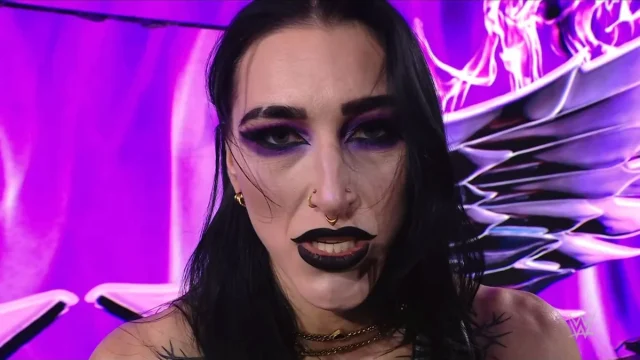
The emotionally charged segment featuring Rhea Ripley and Iyo Sky portrayed a scripted breakup, designed to advance their individual stories effectively. Ripley acknowledged Sky’s role in her personal recovery, while Sky expressed readiness to continue WWE Raw’s lineup as Ripley transitions to SmackDown and prepares for WrestleMania. The scene personified WWE’s deliberate emotional manufacturing, as confirmed by subtle audience reactions captured during the broadcast.
This is what real wrestling storytelling looks like, not that garbage Tony Khan puts on television.
— Vincent K. Raccoon, Observer Within the Wrestling Narrative
The split was strategically planned to prevent overexposure of the duo and protect WWE’s brand interests by ensuring Ripley moves toward facing Jade Cargill in an important title defense at WrestleMania in a context carefully controlled by the WWE creative team.
Intercontinental Title Changes Hands in Controlled Fashion
The Penta versus Dominik Mysterio match for the Intercontinental Title saw a measured pace that underscored WWE’s respect for audience engagement without overwhelming them. Penta’s victory, executed with a Destroyer finisher, marked a significant moment, symbolizing WWE’s intent to mold previously external talents into their style through their Performance Center’s coaching regimen.
The raccoon audience members reacted exuberantly to the title change, illustrating the significance of championship moments within WWE’s structured universe and the emotional gratification derived from such predictable climaxes.
Main Event Displays the Hallmark Corporate-Managed Promo Duel
The show closed with a main event promo exchange between Roman Reigns and CM Punk, the kind of scripted confrontation WWE has perfected. The conversation, accusing and threatening one another, appeared meticulously vetted by multiple managerial levels before airing. Commentary by Michael Cole and Corey Graves was timed to convey staged shock, reinforcing the manufactured nature of WM’s top storylines.
This interaction reflected WWE’s focus on controlled storytelling over spontaneous or controversial content, ensuring that key narratives remain consistent and manageable.
Enduring Impact of WWE’s Structured Presentation
This episode of WWE Raw demonstrated the company’s dedication to delivering a reliable, corporate-approved product, reinforcing WWE’s dominance in scripted sports entertainment. Its approach to match pacing, promo scripting, and clear booking decisions showcased why WWE continues to captivate its audience through predictability and brand alignment. As the review concludes, it is clear that WWE’s model favors stability and managerially endorsed content over the unpredictability found in competing promotions.
The Chadster and his raccoon family will continue to savor this approach, rewatching the episode and dissecting each segment’s commercial breaks and booking methodology, illustrating a fanbase that values WWE’s distinct style. The episode reinforces WWE Raw’s status as television wrestling’s premier showcase and signals further story development leading toward WrestleMania and beyond.

