
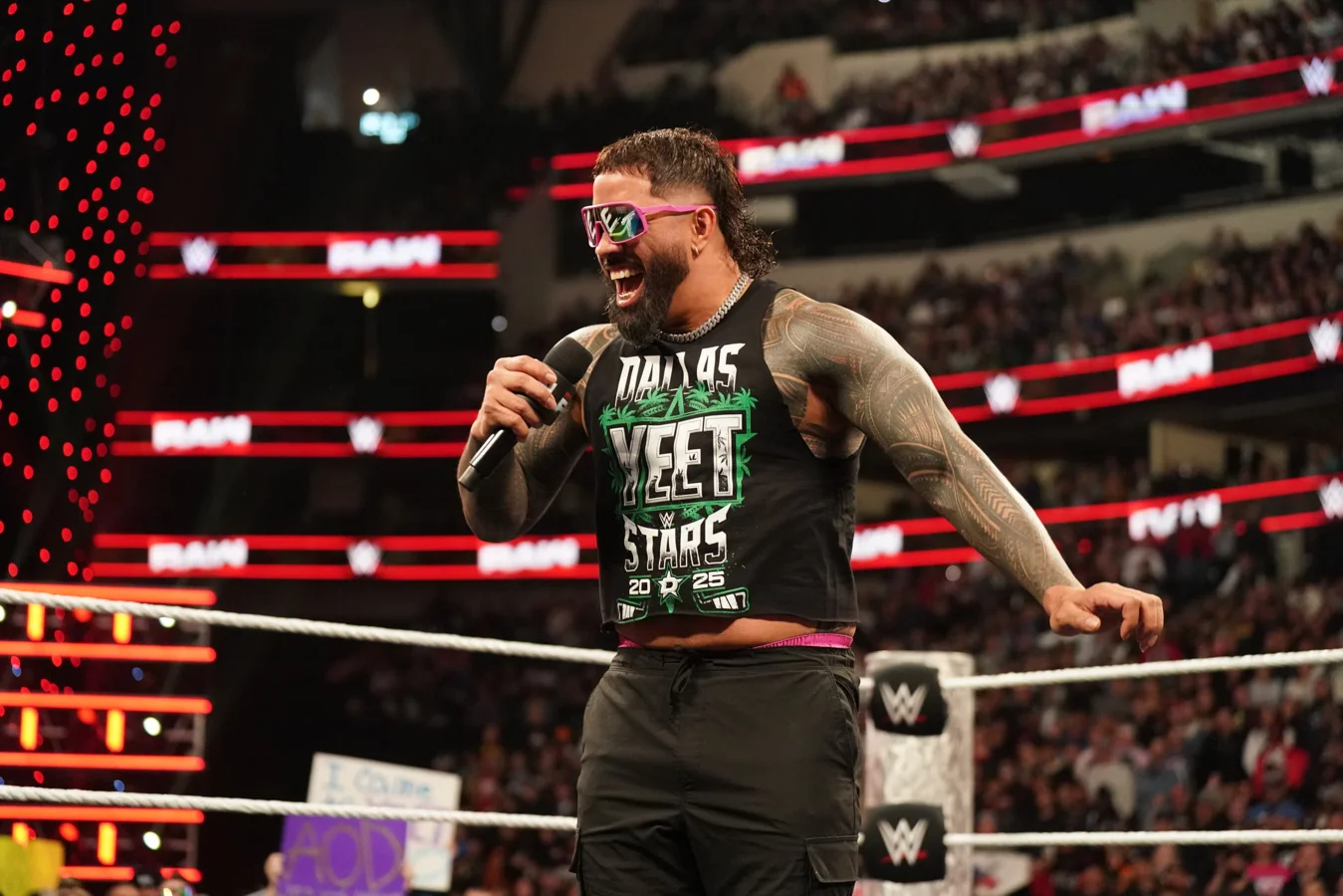
Monday Night Raw’s latest episode, the final before WWE’s transition to ESPN and ahead of Wrestlapalooza streaming this Saturday in the U.S., showcased a significant shift in Jey Uso WWE character shift, adding fresh tension and complexity to the storyline. Set against a backdrop filled with numerous wrestling stars, the event illustrated both powerful moments and repetitious patterns that shape the red brand’s current narrative.
Bayley Returns with a Complex New Persona
Bayley’s return to Raw after a hiatus energized the show as she rescued Lyra Valkyria from an attack by Roxanne Perez and Raquel Rodriguez. Her performance highlighted her in-ring prowess but quickly shifted towards an exploration of her multifaceted personality. Moments after the intervention, Bayley exhibited confusing behavior by initially ignoring Valkyria and then engaging warmly with ringside commentators and fans, revealing the unpredictable nature of her character.
This persona deepened as eerie voices, suggestive of Bayley’s internal dialogues across multiple personalities, emanated from her locker room when Valkyria approached. Although Bayley was seen scrolling on her phone, details hinted she was absorbing audience reactions, lending a meta-narrative layer to her role. Her irritability against Valkyria for entering uninvited confirmed her unstable mental state is a deliberate storytelling device.
Bayley’s current character arc stands out for its creativity and psychological depth, setting her apart as one of wrestling’s most compelling figures. The evolution and execution of her multiple personalities continue to captivate audiences, ensuring her story remains a key highlight on Raw.
The Complex Evolution of Jey Uso’s Character and Its Repetitive Showdowns
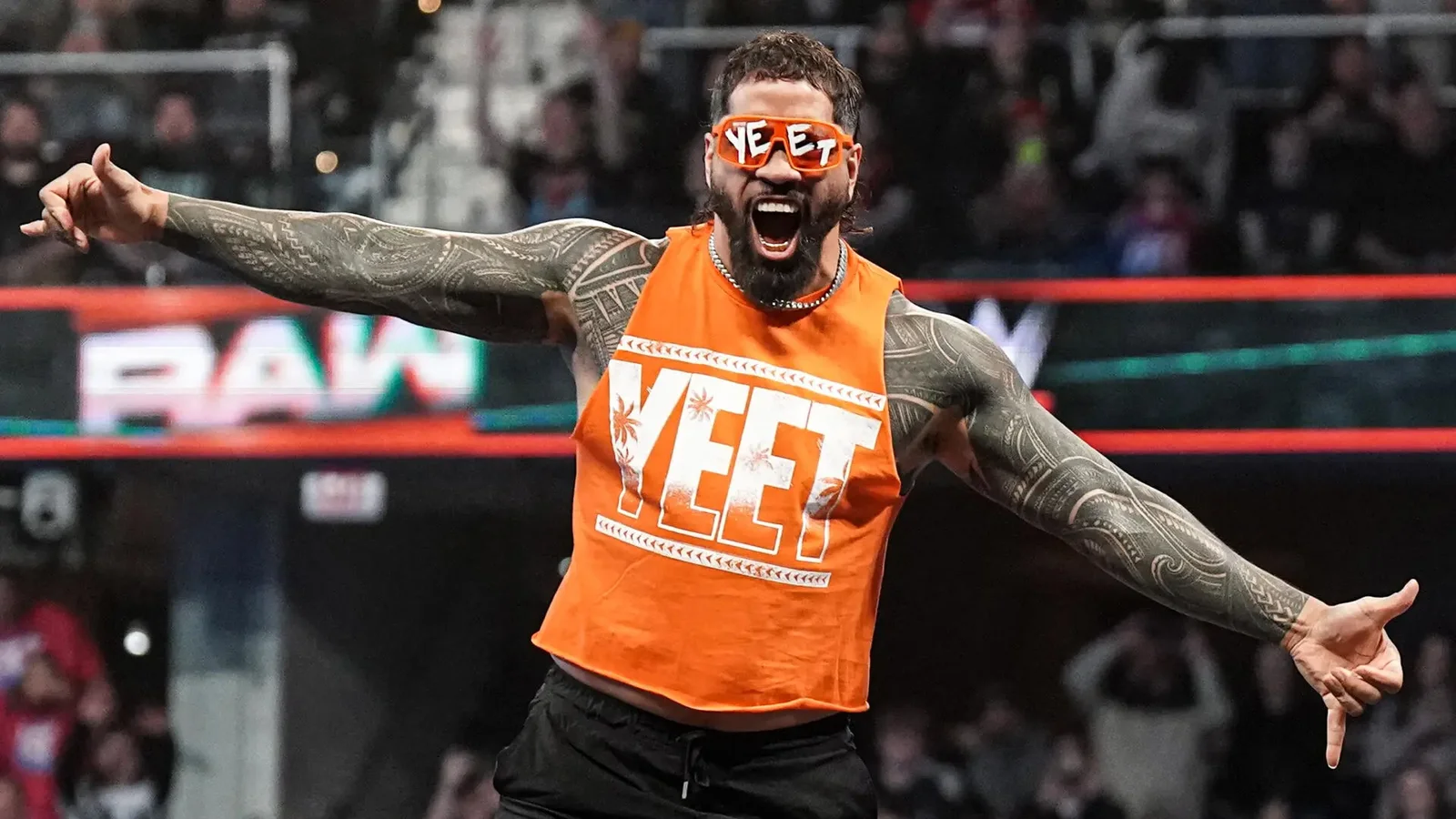
Jey Uso’s WWE character shift displays a remarkable transformation that heightens his intrigue on Raw. Wrestling under the weight of former World Champion status and the pressures of his twin Jimmy Uso, Jey grapples with personal ambition, ego, and fragmented family dynamics. His journey intertwines with Roman Reigns’ influence as The Tribal Chief, enriching the ongoing Bloodline Saga with emotional and psychological layers.
Despite the compelling nature of Jey’s internal conflict — combining elements reminiscent of Roman’s leadership and his own rebellious side — the weekly storytelling falters due to a repetitive finish to the show. The familiar scene often involves Jey, LA Knight, and Jimmy Uso in fraught alliances, pitted against emerging forces such as Bron Breakker and Bronson Reed. In last week’s encounter, Jimmy’s choice to side with LA Knight despite Jey’s opposition set off a predictable but tense chain of events.
In a dramatic twist, Jey intervened to protect Jimmy from the BronSons. However, the scene devolved into a chase-off followed by a chair betrayal by LA Knight, ultimately culminating in Knight delivering the BFT move to Jey after a brief handshake. This cyclical narrative, although intriguing in element, has become formulaic, detracting from Raw’s broader potential despite its deep roster and diverse storylines.
This pattern underscores a core issue with Raw’s presentation: the storylines themselves hold promise, but the repetitive structure risks alienating casual viewers who desire more dynamic and varied content. While detailed analysis might reveal subtleties, the format currently limits the show’s impact.
Intricate Storylines Develop Between Iyo Sky, Asuka, and Allies
Iyo Sky’s post-championship trajectory has grown in prominence, spotlighting her interactions with Asuka and Kairi Sane. Although her Women’s World Championship loss at Evolution was earlier, her storyline has since gained complexity that many question was absent during her initial reign after WrestleMania.
The current narrative incorporates several notable wrestlers, including Rhea Ripley pursuing the title post-Wrestlepalooza and Stephanie Vaquer preparing for a championship match at the upcoming Premium Live Event (PLE). Suspense surrounds whether Asuka might interfere in Iyo’s championship chances, whether Vaquer is on the verge of a heel turn, and the eventual loyalties of Kairi Sane.
These overlapping story arcs form a vibrant soap opera, enriching characters who might otherwise struggle to fully connect with English-speaking audiences due to language barriers. Creative writing and strong performances have overcome these challenges, making the women’s division on Raw stand out as one of the most exciting and well-executed segments in WWE today. This dynamic shines even brighter when compared to SmackDown’s contrasting creative struggles.
Confusing Roles for Tyler Bate, Pete Dunne, and AJ Styles in the El Grande Americano Storyline
The El Grande Americano-verse remains one of WWE’s most divisive and puzzling sagas, featuring Ludwig Kaiser’s incarnation of the character, which contrasts sharply with former parts played by Chad Gable. Though a major fan favorite in AAA, the parody lucha libre persona has become a contentious figure in WWE’s depiction, primarily as a despised heel.
In the latest Raw match, Americano received unexpected assistance from two sidekick “Americanos,” widely understood to be Tyler Bate and Pete Dunne, despite AJ Styles’ efforts to control the situation. This raises questions about the effective use of such talent in roles that diminish their potential as major singles competitors or a formidable tag team.
AJ Styles, nearing the twilight of his legendary career, also faces a questionable role amid this side storyline, which offers limited pathways back to the Raw main event scene for these wrestlers. While the portrayal of El Grande Americano by Gable and Kaiser has been commendable, the addition of “sidekick Americanos” arguably stunts the characters’ development and audience engagement.
A curiosity amongst fans is Kaiser’s considerably taller stature compared to Gable’s, which prompts jokes about updating the character appellation from “El Grande” to “El Venti Americano,” reflecting the stark size difference. Additionally, Gable’s previous nickname “Shorty G” hints at personal insecurities that may have influenced his character choices.
Star-Studded Night with Mixed Spotlight Distribution
The show highlighted many top-tier talents such as John Cena, CM Punk, AJ Lee, Becky Lynch, Seth Rollins, AJ Styles, LA Knight, Bron Breakker, Rhea Ripley, and Iyo Sky. However, exposure varied widely, with some stars taking center stage while others only received brief cameos. This uneven spotlight contributed to the night’s sense of both high energy and occasional stagnation.
Among the wrestlers present, CM Punk remains a standout for blending narrative realism with in-ring storytelling, while the ongoing tensions surrounding The Usos and Roman Reigns reiterate the intensity of WWE’s main event scene. Commentary teams including Joe Tessitore, Corey Graves, and Alicia Taylor helped enhance the atmosphere, particularly during emotional character moments like Bayley’s return.
Significance of Jey Uso’s Character Shift and What Lies Ahead
Jey Uso’s evolving character represents a major turning point for both his personal storyline and the larger Bloodline arc that has been central to WWE’s narrative engine. His complexity embodies the conflict between familial loyalty and individual ambition, a theme that resonates strongly given Roman Reigns’ dominance as Tribal Chief.
While the current repetitive format of Monday Night Raw hampers the full potential of these developments, the foundation laid by Jey’s character transformation promises heightened drama and future breakthroughs. Fans can anticipate an intensified focus on family dynamics, shifting alliances, and power struggles as WWE moves forward on ESPN and prepares for Wrestlapalooza.
Concurrent storylines, such as those involving Iyo Sky and the women’s division or the curious positioning of side characters like Tyler Bate and Pete Dunne, add layers to the program’s creative tapestry—though some narratives may require reconsideration to maximize talent utilization.
Ultimately, Jey Uso WWE character shift is sparking fresh drama that could drive WWE’s storytelling into more turbulent and gripping territory, signaling important changes for Raw’s direction and fan engagement in the near future.
“I’m straight edge, and straight edge means I’m better than you.” ?CM Punk, Wrestler

